Improve ROI With a Business Asset Management System in Australia
.jpg)
Business Asset Management System in Australia
Every business owns tools, machines, vehicles, computers, and buildings. These items help people work and earn money. When teams track and care for these items, they protect profit and prevent waste. A robust business asset management system in Australia for managing business assets lets companies see what they own, where it sits, and how it performs. This clear view guards money and lifts return on investment. Many leaders seek better ways to control costs and stretch value. With the right system, teams reduce loss, plan repairs, and use each asset with care. As a result, businesses grow with strength and confidence.
Why ROI Matters For Every Business
Return on investment shows how well a company uses its money. When leaders buy equipment, they expect strong output and long life. If tools break or sit unused, profit slips away. Therefore, teams must track performance and control spending.
A smart plan for asset care helps in many ways:
- It cuts waste and prevents sudden repair costs.
- Indeed, it keeps tools safe and ready for work.
- It supports clear budgeting and planning.
- This plan protects staff and customers.
When leaders understand their assets, they make wise choices. They replace weak tools at the right time. They fix small faults before damage spreads. As a result, profit grows and risk shrinks.
What Is A Business Asset Management System?
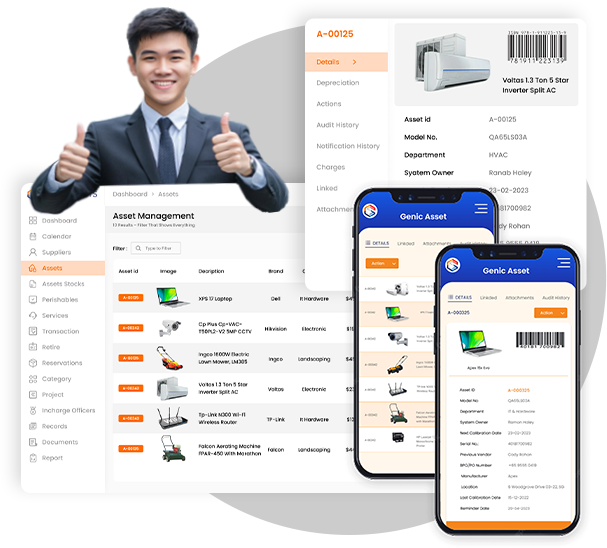
A system for managing business asset management in Australia gathers all asset details in one place. It records purchase dates, service history, location, and condition. Teams update this record as they inspect and repair items. Because of these features, leaders see the full picture at once. This system does more than store data. It shapes daily action and sets reminders for maintenance. Therefore, it tracks usage. It shows which assets cost too much to run. When teams follow this path, they stop guessing and start acting with proof.
Moreover, the system links departments. Finance, operations, and maintenance teams share the same information. This link removes confusion and speeds up decisions. Clear data builds trust and order across the company.
How Clear Tracking Protects Profit
When staff track each tool, they prevent loss and theft. They mark assets with codes and scan them during checks. If something goes missing, they react at once. This habit guards company wealth.
Clear tracking also shows idle assets. Some machines sit in storage while teams plan new purchases. When leaders see this gap, they move unused items to new projects. This action saves money and lifts output.
Because teams track repairs, they spot patterns. If one machine fails often, one studies the cause. They may train staff or adjust usage. This sharp focus keeps work smooth and steady.
Key Features That Strengthen ROI
A strong asset management system in Australia carries tools that drive value. Each feature supports clear action and control.
Asset Register
An asset register lists every item. It shows value, age, and condition. Teams update it after each inspection. This habit keeps data fresh and reliable.
Maintenance Scheduling
Planned maintenance prevents sudden breakdowns. The system sets service dates and sends alerts. Teams follow this plan and keep machines healthy. As a result, work continues without delay.
Performance Monitoring
Performance data reveals how each asset behaves. Leaders compare output and cost. If an item drains funds, they decide whether to repair or replace it.
Compliance Records
Some industries face strict rules. A clear record proves that teams inspect and maintain assets. This proof protects the company during audits and reviews.
Together, these features build a safe and steady workflow. They help leaders act with clarity and strength.
The Role Of Asset Management Systems In Daily Operations
Every day, teams rely on tools to finish tasks. When a machine fails, work stops. Customers feel the delay. Revenue drops. A simple asset management system in Australia guides daily checks and repairs. For example, a warehouse team scans forklifts before shifts. The system logs fuel levels and wear signs. If staff spot damage, they raise a task at once. This quick action prevents large faults. Because of this system, managers assign assets with care. They avoid overloading one tool while others rest. Balanced use stretches asset life and protects investment.
In addition, finance teams review cost reports. They see repair trends and plan budgets with care. This clear path connects money planning with real asset use.
Mid-Size And Large Firms Benefit From Asset Management Systems in Australia
As companies grow, asset numbers rise. Paper records fail under this weight. Confusion spreads across sites. A clear asset management system in Australia gathers all data in one digital space. With this approach, teams across cities share the same view. A head office can check equipment at remote sites. Managers compare performance between branches. This open view supports fair planning and equal standards. Moreover, leaders use data to guide expansion. When they plan a new site, they study asset use at current locations. They learn which tools deliver strong value and which drain funds. This learning shapes better choices. Because of this system, growing firms stay organised. They move forward with confidence and control.
How Data Drives Better Decisions
Data shines a light on hidden problems. For instance, if repair costs climb each quarter, leaders ask why. They study age, usage, and staff training. They fix the root cause instead of patching the surface. A clear asset management system in Australia also supports long-term planning. Leaders forecast when assets will reach the end of life. They set aside funds before crisis strikes. This steady plan guards cash flow and reduces stress.
Furthermore, teams review downtime reports. They identify weak points in operations. They strengthen these areas and restore smooth service. Data turns chaos into order.
Reducing Risk And Boosting Safety
Assets such as vehicles and heavy machines can cause harm if neglected. Regular checks protect staff and the public. A structured plan ensures that teams inspect equipment at set times. The asset management system records each inspection. It logs faults and confirms repairs. This record builds a culture of care and responsibility. Because staff follow clear steps, they reduce accidents. They replace worn parts before failure occurs. They train workers on safe use. Safety protects lives and shields the company from legal trouble.
In this way, strong asset control supports both profit and duty.
Financial Control And Budget Planning
Money flows out when assets fail. Emergency repairs cost more than planned service. Lost work hours also drain funds. A clear process guards against these shocks. When leaders use a system for managing business assets, they see the total ownership cost. They compare purchase price, repair spend, and running cost. This view helps them judge real value.
They may decide to keep a strong machine for longer or retire a weak one sooner. Each decision rests on facts, not guesswork. As a result, budgets stay firm and clear. Finance teams also track depreciation. They update records as assets age. This habit keeps accounts accurate and honest.
Steps to Implement an Asset Management System in Australia
Change requires planning and teamwork. Leaders should follow clear steps.
Assess Current Assets
Teams should list all assets and verify their condition. They clean old records and confirm details.
Set clear goals.
Leaders decide what they want to improve. They may focus on downtime, cost control, or safety.
Train Staff
Staff learn how to log data and follow schedules. Clear training prevents errors and builds trust.
Monitor and Adjust
After launch, teams review results. They refine processes where needed. This steady review keeps the system strong.
With these steps, companies build a solid base for growth and control.
Long-Term Value And Sustainable Growth
Assets shape the backbone of any business. When leaders treat them with care, they secure long-term strength. A clear asset management system in Australia supports this journey by providing structured Processes for monitoring, evaluating, and optimising asset performance. Through steady tracking and maintenance, companies extend asset life. They reduce waste and protect natural resources. They also build trust with customers who value reliability.
Strong asset control also prepares firms for change. If markets shift, leaders study asset data and adjust plans. They move resources where demand rises. This flexibility guards profit and stability. Over time, small gains from careful management combine into large rewards. Each saved repair prevents delay, and each smart purchase lifts the return on investment.
Conclusion
Businesses thrive when they guard what they own. Tools, vehicles, and machines carry enormous value, yet they demand care and attention. A structured system for managing business assets in Australia gives leaders clear sight and firm control. It reduces waste, strengthens safety, and guides smart spending. Through planned maintenance and strong data, teams lift return on investment and protect future growth. Businesses replace chaos with order when they track assets with discipline. They build trust across departments and shape steady progress. In the end, wise asset control does not only save money; it fuels strong and lasting success.
Frequently Asked Questions
What Is The Main Goal Of A Business Asset Management System?
The main goal involves tracking, maintaining, and improving asset performance so companies protect profit and reduce risk.
How Does Asset Data Improve ROI?
Asset data shows cost trends, downtime, and repair history. Leaders use this insight to make smart decisions about repair or replacement.
Can Small Businesses Benefit From Asset Management?
Yes. Even small firms gain clear control over tools and equipment. This clarity prevents waste and supports growth.
How Often Should Assets Be Reviewed?
Teams should review assets on a set schedule based on usage and risk. Regular checks prevent faults and protect safety.

.jpg)
Comments
Post a Comment