How Asset Tracking System Malaysia Boosts Business Productivity
 |
| Best Asset Tracking System in Malaysia |
Businesses in Malaysia handle many tools, machines, vehicles, and office items every day. When teams lose track of these things, work slows down. Workers waste time hunting for tools or buying items the company already owns.
An asset tracking system in Malaysia helps businesses stay neat, fast, and organised. It helps teams spot where assets sit, who uses them, and when workers need them.
Many businesses now use smart digital systems to track assets and keep work flowing smoothly.
What Is an Asset Tracking System?
An asset tracking system helps businesses watch and manage physical items.
These items may include:
- Laptops
- Machines
- Office chairs
- Company cars
- Tools
- Warehouse stock
The system stores details about every item, such as:
- Location
- Condition
- Usage
- Repair history
- Owner details
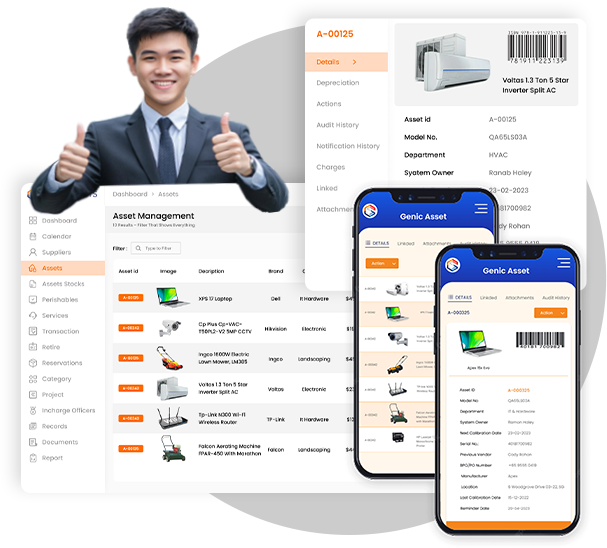
Many businesses in Malaysia now use QR codes, barcodes, and cloud systems to track assets with ease.
An asset management system in Malaysia also helps businesses care for assets and plan repairs before problems grow.
Why Businesses Need Asset Tracking
Many companies still use paper files or spreadsheets. This method creates confusion as businesses grow bigger.
Teams often face problems like:
- Missing tools
- Extra purchases
- Slow repairs
- Wrong records
- Wasted time
- Poor teamwork
An organised asset management system clears up these problems and keeps everything in one place.
How Asset Tracking Lifts Business Productivity
Gives Clear Asset Visibility
An asset tracking system in Malaysia lets businesses view all assets quickly.
Teams can check:
- Where assets stay
- Who uses them
- If they work properly
- If workers can use them
Workers stop wasting time searching for equipment. Teams move faster and finish tasks sooner.
For example, warehouse workers can grab tools quickly without slowing down work.
Cuts Down Asset Loss
Lost assets cost businesses money and time.
A tracking system records every asset movement. Businesses can see:
- Who used the asset
- When workers moved it
- Where it stayed last
This system builds stronger responsibility among staff.
When workers know the company tracks assets properly, they handle items with more care.
Speeds Up Maintenance
Broken machines slow down work. Late repairs often create bigger problems.
An asset management system in Malaysia helps teams plan repairs on time.
The system sends reminders before machines need servicing.
This helps businesses:
- Avoid machine breakdowns
- Stretch asset life
- Reduce delays
- Keep work running smoothly
Factories and production plants benefit greatly from regular maintenance plans.
Helps Employees Work Faster
Manual tracking eats up valuable work hours.
Workers often spend time:
- Writing records
- Searching for tools
- Updating files
Digital systems remove these slow tasks.
Workers can:
- Scan assets quickly
- Update records instantly
- View information anytime
This helps teams focus on important work instead of paperwork.
Better Decisions with Accurate Data
Businesses need clear information to make smart choices.
An asset-tracking system in Malaysia provides managers with live updates on assets.
Managers can spot:
- Unused equipment
- Frequently repaired machines
- Busy assets
- Replacement needs
This information helps businesses spend money wisely.
For example, companies can move unused tools to another department instead of buying new ones.
Makes Audits and Compliance Easier
Many industries in Malaysia follow strict rules and inspections.
A digital system stores records neatly, including:
- Asset ownership
- Repair history
- Usage details
- Asset value
Businesses can pull reports quickly during audits.
Good records also lower the chance of mistakes or fines.
How Different Industries Benefit
Manufacturing Industry
Factories use many machines and tools every day.
An asset management system in Malaysia helps factories:
- Watch machine performance
- Reduce breakdowns
- Plan maintenance
- Improve production speed
Healthy machines help factories meet targets faster.
Healthcare Sector
Hospitals and clinics use medical equipment all day.
Asset tracking helps healthcare teams:
- Find equipment quickly
- Keep machines working well
- Plan servicing
- Reduce treatment delays
This creates smoother patient care.
Construction Industry
Construction sites often lose tools and machines.
A proper asset management system helps companies:
- Track heavy equipment
- Watch usage hours
- Reduce theft
- Improve project planning
Workers spend more time building and less time searching.
Retail Businesses
Retail stores manage stock, scanners, and storage equipment daily.
With better tracking, retailers can:
- Avoid stock shortages
- Reduce inventory mistakes
- View stock clearly
- Speed up work
This creates better customer service.
Real-Time Tracking Keeps Work Moving
Modern systems show live updates.
Managers can react quickly when problems appear.
Real-time tracking helps businesses:
- Reduce delays
- Improve teamwork
- Manage remote assets
- Keep operations smooth
Businesses with many branches gain strong control with live tracking.
Saves Money Through Better Asset Usage
Poor asset management wastes money.
Some departments buy new equipment while unused assets sit elsewhere.
An asset tracking system in Malaysia helps businesses use assets wisely.
Companies can:
- Share resources
- Avoid extra purchases
- Stretch equipment life
- Lower repair costs
These savings help businesses grow stronger over time.
Cloud Systems Support Flexible Work
Many businesses in Malaysia now work from different offices or remote locations.
Cloud systems allow teams to access records from anywhere.
This improves:
- Communication
- Team coordination
- Speed
- Flexibility
Employees can update records without waiting for office access.
Improves Customer Service
Good asset management also improves customer service.
When businesses manage assets properly, they can:
- Finish jobs faster
- Reduce delays
- Deliver services on time
- Keep operations stable
Customers enjoy quicker support and better service quality.
Supports Business Growth
As businesses grow, asset tracking becomes harder.
A scalable asset management system in Malaysia helps businesses handle growth smoothly.
Companies can manage:
- More equipment
- More staff
- More locations
- Larger inventories
Digital tracking helps businesses stay organised during expansion.
Important Features to Look For
Businesses should choose an asset management system with features that streamline daily work. The right system helps teams save time, reduce mistakes, and manage assets properly.
Asset Identification
Barcodes and QR codes help teams track assets quickly and accurately.
Real-Time Updates
Live updates help staff view asset changes instantly and respond faster.
Maintenance Scheduling
Repair reminders help businesses service machines on time and avoid breakdowns.
Reporting Tools
Reports give managers clear details about asset usage, condition, and performance.
Mobile Access
Mobile access lets employees update records and check asset details from different locations.
Cloud Storage
Cloud storage keeps asset data secure, organised, and easy to access anytime.
User-Friendly Dashboard
A simple dashboard helps teams find information quickly without confusion.
Alerts and Notifications
Smart alerts remind teams about repairs, asset movement, or missing equipment before problems grow.
Problems Businesses Can Avoid
Without proper tracking, businesses often face:
- Lost assets
- High costs
- Slow work
- Poor records
- Frequent repairs
- Low productivity
An organised asset tracking system in Malaysia helps businesses avoid these issues.
The Future of Asset Tracking in Malaysia
Many businesses in Malaysia are now moving towards digital systems to improve daily operations. Companies want faster, smarter, and more organised ways to manage assets. Because of this, asset tracking continues to grow across many industries.
Smarter Asset Tracking
Modern technology helps businesses track assets with greater speed and accuracy. Teams can check asset locations, usage, and condition in real time. This helps companies avoid delays and improve workflow.
Better Visibility and Control
Advanced tracking systems give businesses a clearer view of their equipment and inventory. Managers can spot missing assets quickly and make better decisions with accurate information.
Reduced Waste and Costs
Smart tracking helps companies avoid duplicate purchases, reduce asset loss, and improve equipment usage. Businesses can also plan maintenance early and prevent expensive breakdowns.
Stronger Business Efficiency
As technology improves, businesses can complete tasks faster and manage resources more effectively. Companies that adopt smart asset tracking today will build stronger operations and prepare better for future business growth.
Conclusion
A reliable asset tracking system in Malaysia enables businesses to track their equipment while they experience shorter wait times and achieve better operational performance on their daily tasks. The teams achieve better tool-finding abilities while they track their assets throughout the system and they reach higher work precision levels. The system generates optimised workflows that enable staff members to perform their work without encountering any confusion or spending additional time.
The asset management system in Malaysia provides businesses with three main advantages which include cost control, maintenance scheduling and resource optimisation. Businesses can avoid unnecessary purchases, reduce equipment downtime, and keep records organised for audits and reporting. Smart tracking systems serve as essential operational tools for various industries which include healthcare, retail, manufacturing and construction to achieve operational stability and improved business results.
Digital technology development requires businesses to adopt efficient asset management systems, which will provide them with better asset control and enhanced operational productivity, and establish a solid base for future business expansion.
FAQs
What does an asset tracking system do?
An asset tracking system helps businesses watch and manage physical assets like tools, machines, and vehicles.
How does an asset management system improve productivity?
An asset management system helps teams find assets quickly, reduce delays, and manage repairs on time.
Which businesses benefit from asset tracking systems?
Factories, hospitals, retail stores, warehouses, and construction companies benefit from asset tracking systems.
Can small businesses use asset tracking systems?
Yes. Small businesses can use these systems to stay organised and reduce losses.
Why does real-time tracking matter?
Real-time tracking helps businesses view asset updates instantly and keep work running smoothly.
.jpg)

Comments
Post a Comment